Close


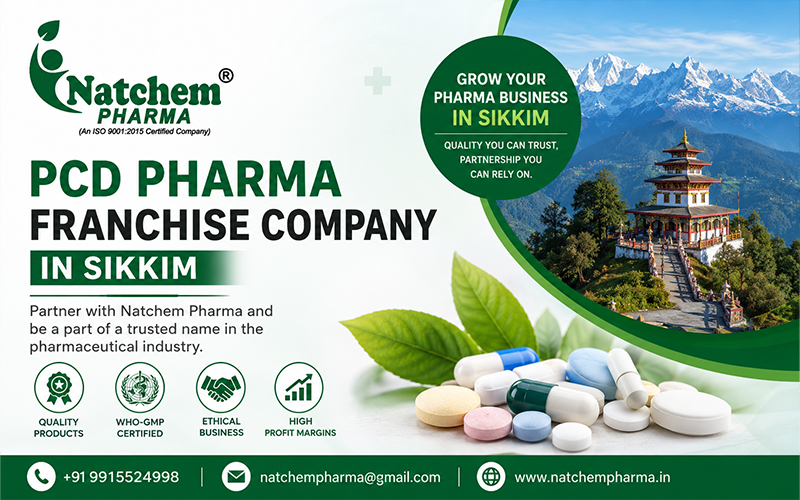
The Indian pharmaceutical industry continues to be one of the fastest-growing sectors globally, creating exceptional opportunities for entrepreneurs and healthcare professionals. Among the most profitable business models in this industry, the PCD Pharma Franchise Company in Sikkim model has emerged as a highly attractive option due to its low investment requirements, monopoly rights, and scalable growth potential.
Sikkim, despite being one of India’s smallest states, has become increasingly important in the healthcare and pharmaceutical ecosystem. Growing healthcare awareness, expanding medical infrastructure, increasing medicine consumption, and improved connectivity have created favorable conditions for pharmaceutical distribution businesses. As a result, entrepreneurs partnering with a Top PCD Pharma Franchise Company in India can leverage these favorable market conditions to establish a profitable and sustainable pharmaceutical distribution network across the state.
According to industry reports, the Indian pharmaceutical market is expected to exceed USD 130 billion by 2030, growing at a strong CAGR. Simultaneously, healthcare spending across northeastern states is increasing significantly, creating new opportunities for pharma franchise businesses.
Whether you are a medical representative, distributor, healthcare entrepreneur, or investor, this comprehensive guide will help you understand everything about establishing a successful PCD Pharma Franchise Company in Sikkim.
PCD stands for Propaganda Cum Distribution, a pharmaceutical marketing model where a pharma company authorizes franchise partners to promote, distribute, and sell its products within a specific territory.
The franchise partner receives exclusive marketing and distribution rights while the parent company handles manufacturing, quality control, product development, and regulatory compliance.
This model has become one of the most preferred healthcare business opportunities in India.
Sikkim offers several unique advantages that make it an ideal market for pharmaceutical distribution.
The state government continues to strengthen healthcare facilities through investments in:
As healthcare accessibility improves, medicine demand naturally increases.
Several factors are contributing to increasing medicine consumption:
Sikkim welcomes millions of domestic and international tourists annually.
Tourists frequently require:
This creates additional revenue opportunities for local pharmaceutical distributors.
Sikkim acts as an important gateway to Northeast India.
Benefits include:
Entrepreneurs can gradually expand distribution beyond Sikkim into neighboring northeastern markets.
Several industry indicators highlight the potential of the pharma sector:
Increasing healthcare expenditure directly drives:
Compliance is critical in pharmaceutical distribution.
A wholesale drug license is mandatory.
Requirements generally include:
The license is issued under pharmaceutical regulatory guidelines.
GST registration is essential for:
Benefits include:
Choose an appropriate business structure:
Required documents include:
If distributing health supplements or nutraceutical products, additional compliance may be required.
One of the biggest advantages is affordability.
| Expense Category | Estimated Cost |
|---|---|
| Drug License | ₹10,000 – ₹30,000 |
| GST Registration | ₹0 – ₹5,000 |
| Initial Inventory | ₹50,000 – ₹3 Lakhs |
| Storage Setup | ₹20,000 – ₹1 Lakh |
| Marketing Expenses | ₹20,000 – ₹50,000 |
| Working Capital | ₹50,000 – ₹2 Lakhs |
₹1 Lakh to ₹5 Lakhs
This makes the pharma franchise model accessible to first-time entrepreneurs.
Your success largely depends on your parent company.
Always verify:
Quality products build long-term trust among doctors and patients.
Choose companies offering:
A diverse portfolio increases sales opportunities.
Ensure the company provides:
This prevents unnecessary competition.
Top PCD Pharma Franchise Companies in India typically provide:
Strong promotional support accelerates business growth.
Success depends heavily on relationship-building.
Focus on:
Benefits include:
Hospitals offer:
Maintain a professional visit cycle.
During Each Visit
Consistency is key.
Modern pharma businesses increasingly use digital platforms.
Benefits include:
Participate in:
These events help establish credibility.
Certain categories consistently perform well.
High-demand products:
Growing wellness awareness drives demand for:
Popular products include:
Steady demand exists for:
Profitability depends on product category and market coverage.
With proper territory management, many franchise partners achieve sustainable long-term growth.
Emerging trends include:
Entrepreneurs entering now can establish strong market positions before competition intensifies.
Starting a PCD Pharma Franchise Company in Sikkim is one of the most promising healthcare business opportunities available today. The state’s improving healthcare infrastructure, rising pharmaceutical demand, growing tourism industry, and expanding distribution network create ideal conditions for long-term success.
By partnering with a Top PCD Pharma Franchise Company in India, obtaining the required licenses, selecting high-quality products, and building strong relationships with doctors and pharmacists, entrepreneurs can establish a profitable and sustainable pharmaceutical distribution business.
Success in the pharma franchise industry comes from consistency, compliance, customer trust, and quality service. With the right strategy, Sikkim offers excellent growth potential for ambitious healthcare entrepreneurs. Additionally, staying updated with pharmaceutical regulations and healthcare developments through the official Central Drugs Standard Control Organisation (CDSCO) and National Health Mission Sikkim can help franchise owners maintain compliance and identify emerging market opportunities.
Typically, an investment of ₹1 lakh to ₹5 lakhs is sufficient depending on inventory requirements and business scale.
Yes. A wholesale drug license is mandatory for legally distributing pharmaceutical products.
Profit margins generally range from 20% to 70% depending on product categories and sales volume.
Sikkim offers growing healthcare infrastructure, increasing medicine demand, improved logistics, and expanding healthcare awareness.
Respiratory medicines, nutraceuticals, gastrointestinal products, orthopedic medicines, and general healthcare products are highly demanded.
Yes. Most reputed PCD pharma companies provide exclusive monopoly rights for selected territories.
Evaluate certifications, product quality, marketing support, product range, monopoly rights, and delivery capabilities.
Yes. The model is specifically designed for entrepreneurs who want to enter the pharmaceutical industry without manufacturing facilities.
Nutraceuticals, dermatology, cardiology, diabetic care, and branded generics generally provide strong profit margins.
Most businesses begin gaining stable market traction within 6–18 months with consistent marketing and relationship-building efforts.